Fish Filleting Knives for Accuracy and Simplicity
Fish filleting knives are essential for anyone processing fish. They offer a range of choices, from flexible to stiff blades, tailored for different filleting needs. The proper blade length and material can significantly impact the usability and precision. Understanding these factors is essential for both novices and experienced cooks. Yet, many are ignorant of the nuances that can elevate their filleting skills. What considerations should one keep in mind when choosing the perfect knife?
Fish Filleting Knife Types and Properties
Fish filleting knives are obtainable in various types, each meant to enhance the precision and ease of the filleting undertaking. Common types embrace flexible, stiff, and electric filleting knives. Pliable implements feature a flexible blade, allowing for sophisticated cuts and smooth separation of the flesh from the bone. Stiff implements, on the other hand, provide more control for larger fish, making it easier to handle tough skin and bones. Electric filleting knives speed up the undertaking, cutting fish with negligible effort, ideal for those deboning multiple fish at once.
Additionally, the cutting materials differ, with stainless steel being popular for its corrosion resistance and durability. Features such as comfort grips and non-slip holds enhance safety and comfort during use. Each type and feature is crafted to suit different skill levels and preferences, ensuring that both novice and experienced anglers can achieve outstanding results while filleting their catch.
Advice on Selecting the Ideal Blade Length for Fish Filleting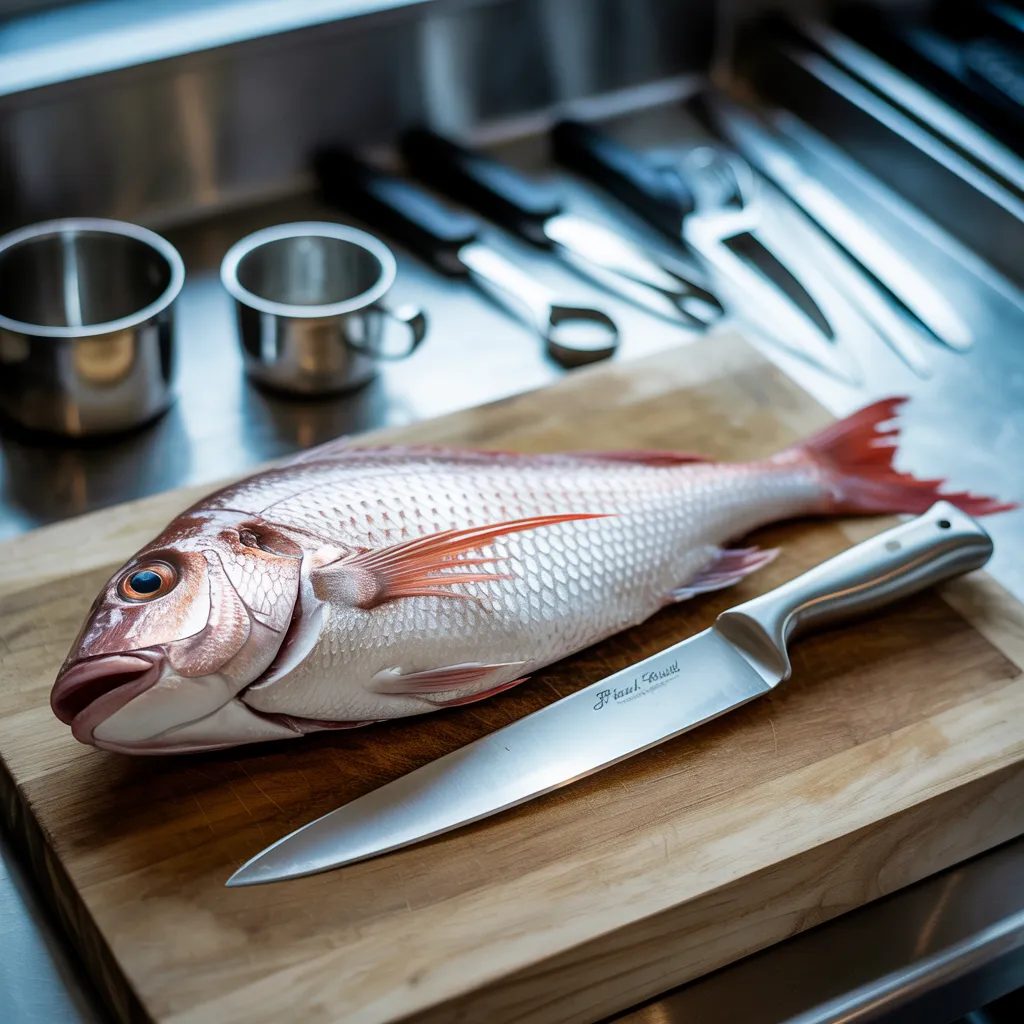
Determining the appropriate blade length for filleting is crucial for attaining precise cuts and ideal results. Typically, the blade length should correspond to the size of the fish being processed. For smaller species like trout or perch, a blade length of 6 to 7 inches is often sufficient, enabling maneuverability and control. Conversely, larger fish such as salmon or tuna benefit from longer blades, typically ranging from 8 to 10 inches.
A extended blade enables clean, broad cuts along the fish’s body, minimizing the chance of damaging its flesh. In addition, the blade’s pliability is crucial; a more adaptable blade can conform better to the fish’s contours, improving both precision and ease of use. Ultimately, the right blade length combined with pliability guarantees effective filleting, making the task easier and leading to improved outcomes.
Best Components for Fish Filleting Knives
When assessing the finest materials for fish filleting knives, the choice of blade makeup significantly impacts results. High-carbon stainless steel is frequently favored for its excellent edge durability and protection to rust, making it ideal for wet environments. This material strikes a equilibrium between durability and keenness, enabling for precise cuts.
Yet another popular choice is stainless steel with flexibility, which improves dexterity during the filleting process, allowing the ability to navigate around bones and skin without difficulty.
Certain knives feature ceramic edges, noted for their exceptional hardness and corrosion resistance; nevertheless, they can be fragile and may chip under stress.
Handle material also is essential, with choices extending from wood to synthetic composites, each delivering varying levels of grip and comfort. Ultimately, the selection of materials controls not only the knife's performance but also the user's overall experience in filleting fish.
Key Steps for Processing Fish: A Beginner's Manual
In the domain of fish filleting, selecting the appropriate knife is important for achieving clean cuts and cutting down waste. Comprehending the sequential process of filleting can considerably boost the skill set of a beginner. Mastering these fundamental techniques sets the foundation for efficient and efficient fish preparation.
Picking The Correct Knife
Determining the optimal knife is important for obtaining precise and efficient fish filleting. Multiple factors direct this choice, including blade bendability, length, and material. A pliable blade enables excellent maneuverability around bones, making it easier to isolate the meat from the bone structure. Commonly, filleting knives range from 6 to 9 inches in length, with longer blades fitting for larger fish. Furthermore, high-carbon stainless steel is often selected for its sharpness and durability. Grip convenience also proves significant; a well-crafted grip alleviates fatigue during prolonged work. Ultimately, opting for a knife that integrates these elements will considerably improve the filleting experience, creating precise slices and limiting unnecessary waste.
Step-By-Step Filleting Technique
Mastering the step-by-step filleting method changes a whole fish into stunning, boneless fillets. The process commences with securing the fish on a cutting board, assuring stability. Next, utilizing a sharp filleting knife, one should make a cut behind the gills, cutting down to the backbone. With the knife angled, the fillet is then carefully separated from the bones, following the contour of the spine. Once the first side is complete, the fish is flipped to repeat the process on the other side. After both fillets are removed, it's vital to trim away any remaining bones and skin. Finally, washing the fillets under cold water guarantees they are clean and ready for cooking. This technique yields precise, professional results.
How to care for Your Fish Filleting Knife for long-term Performance
Taking care of a fish filleting knife is important for preserving its durability and optimal performance. Routine maintenance with each use is vital. The knife must be cleaned with warm soapy water, avoiding harsh cleaning agents that may compromise the blade. It's necessary to ensure the knife is thoroughly dried to stave off oxidation and rust, particularly when made from carbon steel.
Another critical aspect of maintenance is sharpening the blade. Using a sharpening stone or a sharpening steel assists in keeping a sharp edge, allowing smooth cuts during filleting. It is advisable to sharpen the knife regularly, depending on usage frequency.
Proper storage of the knife will also lengthen its lifespan. A knife sheath or magnetic holder can shield the blade from damage and keep it safely stored. Additionally, periodic oiling of the blade can avert moisture accumulation and oxidation. By following these guidelines, the performance and durability of a fish filleting knife can be markedly improved.
Premium Fish Filleting Knife Providers for Every Skill Level
When establishing a fish filleting knife selection, enthusiasts and professionals alike can enjoy the benefits of reviewing different brands that meet the demands of assorted experience levels. For beginners, brands like Rapala and Morakniv offer affordable, user-friendly options that accent ease of use and safety. These knives often exhibit comfortable grips and flexible blades, rendering them suitable for novice fishers.
Intermediate consumers might prefer brands such as Dexter Russell and Bubba Blade, which present a balance of quality and performance. Their knives often include durable materials see information on this and ergonomic designs, allowing for more exact filleting techniques.
For skilled professionals, companies like Wüsthof and Global stand out with their premium craftsmanship and high-quality steel. These knives are designed for precision, delivering excellent control and longevity. By considering these top brands, fishers at any skill level can boost their filleting experience, ultimately leading to superior results on the water.
Common Inquiries Asked Regularly
Is It Possible to Apply Fish Filleting Knives for Different Varieties of Meat?
Fish filleting knives can be employed for other types of meat, although their design primarily serves fish. Their flexibility and sharpness may support filleting poultry or trimming meats, albeit with less efficiency.
How Frequently Should I Hone My Fish Filleting Knife?
A fish filleting knife needs to be sharpened regularly, ideally after every few uses, to preserve its precision. Frequent honing helps assure smooth cuts and enhances the overall quality when preparing fish or other meats.
Is Investing in Electric Filleting Knives Worthwhile?
For those seeking rapid and effortless filleting, electric fillet knives can prove worthwhile. They reduce labor requirements and deliver consistency, especially among those who fillet often, though traditionalists who cherish manual techniques may not find them appealing.
What Is the Top Technique to Preserve a Filleting Knife?
The best way to store a filleting knife is in a protective sheath or knife block, guaranteeing the blade stays sharp and safe. Furthermore, keeping it in a dry location avoids rust and damage.
Is It Viable to Apply a Fillet Blade for Removing Fish Skin?
Yes, a boning knife can be employed for skinning fish. Its sharpness and flexibility allow for accurate slicing, rendering it useful for separating skin from flesh. Meticulous handling guarantees ideal results and reduces waste during the process.